SPA spaces are no longer viewed as simple relaxation areas. Today, SPA interior design trends are shaping a completely new approach to wellness environments. Modern spaces are becoming centres of recovery, emotional balance and deep relaxation.
Architects and designers now pay close attention to atmosphere, materials, lighting, acoustics and the relationship between architecture and nature. Interior design no longer influences only visual perception. It also affects emotional wellbeing and the overall sense of comfort.
Modern SPA interior design is increasingly created around human physiology and sensory experience. Natural materials, lighting scenarios and architectural solutions help visitors transition from the fast pace of everyday life into a restorative state.
When creating wellness projects, it is important to focus not only on aesthetics, but also on professional implementation. Learn more about the comprehensive approach to SPA development in the section SPA Construction
Biophilic Design: Bringing Nature Back into SPA Interiors
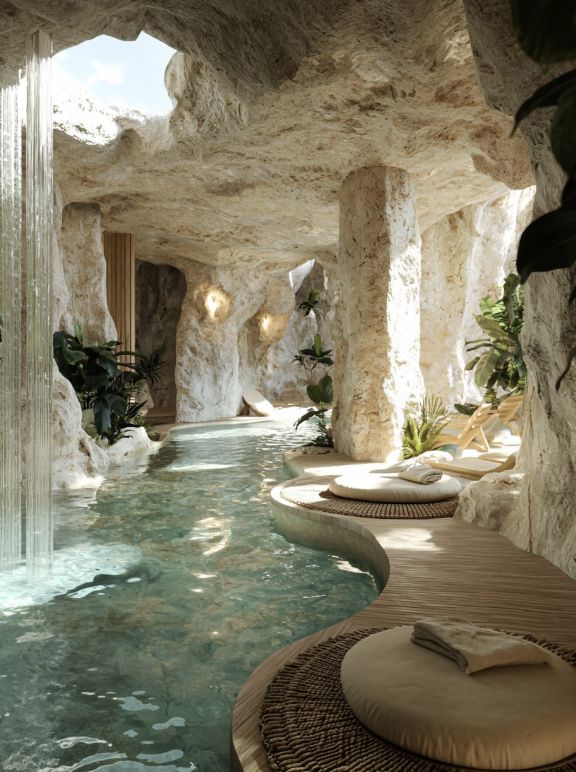
One of the leading directions in modern wellness architecture is biophilic design. It strongly influences current SPA interior design trends.
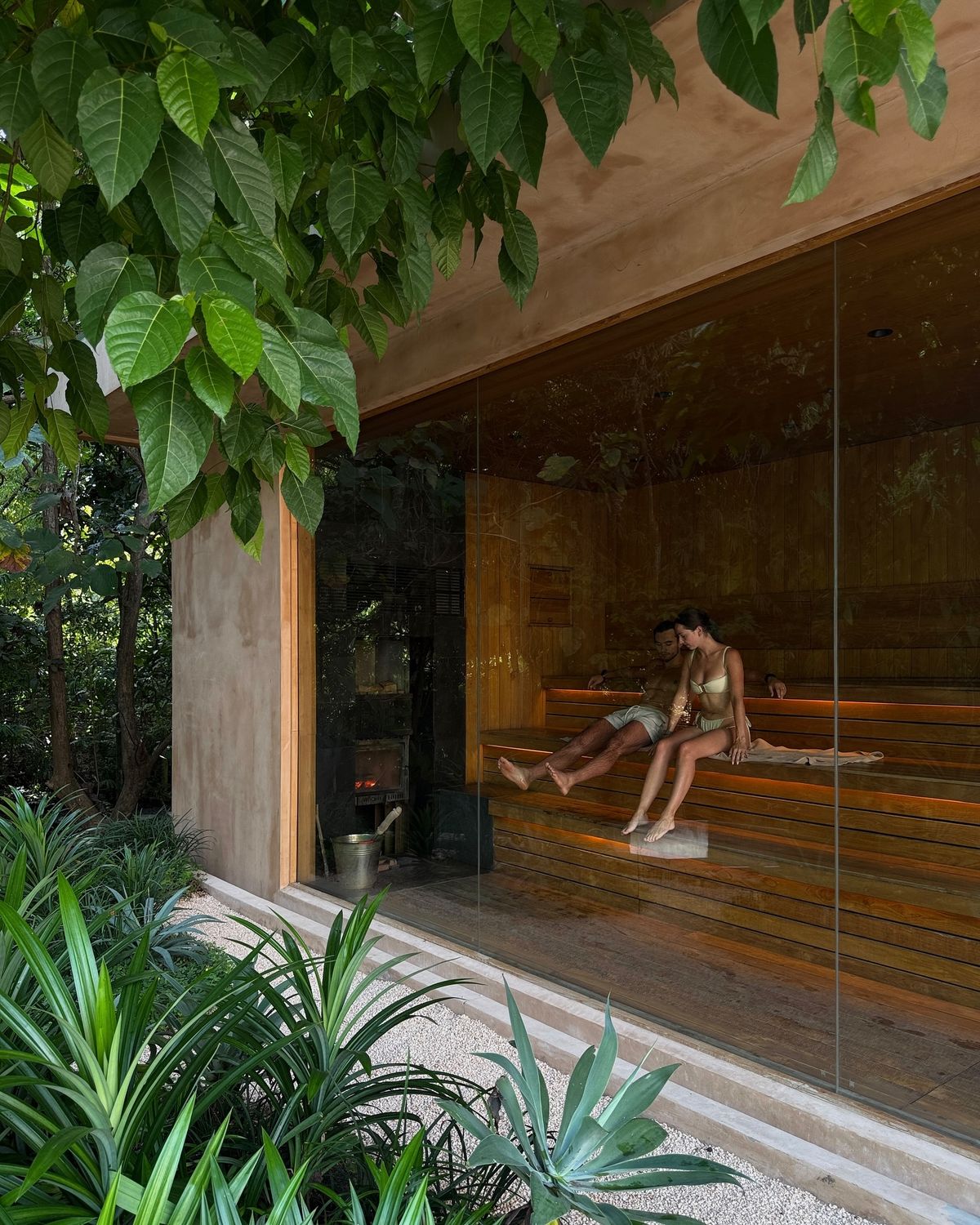
Biophilic design is an architectural approach that integrates natural elements into a space in order to improve human wellbeing.
Modern SPA interiors increasingly include:
- living plants
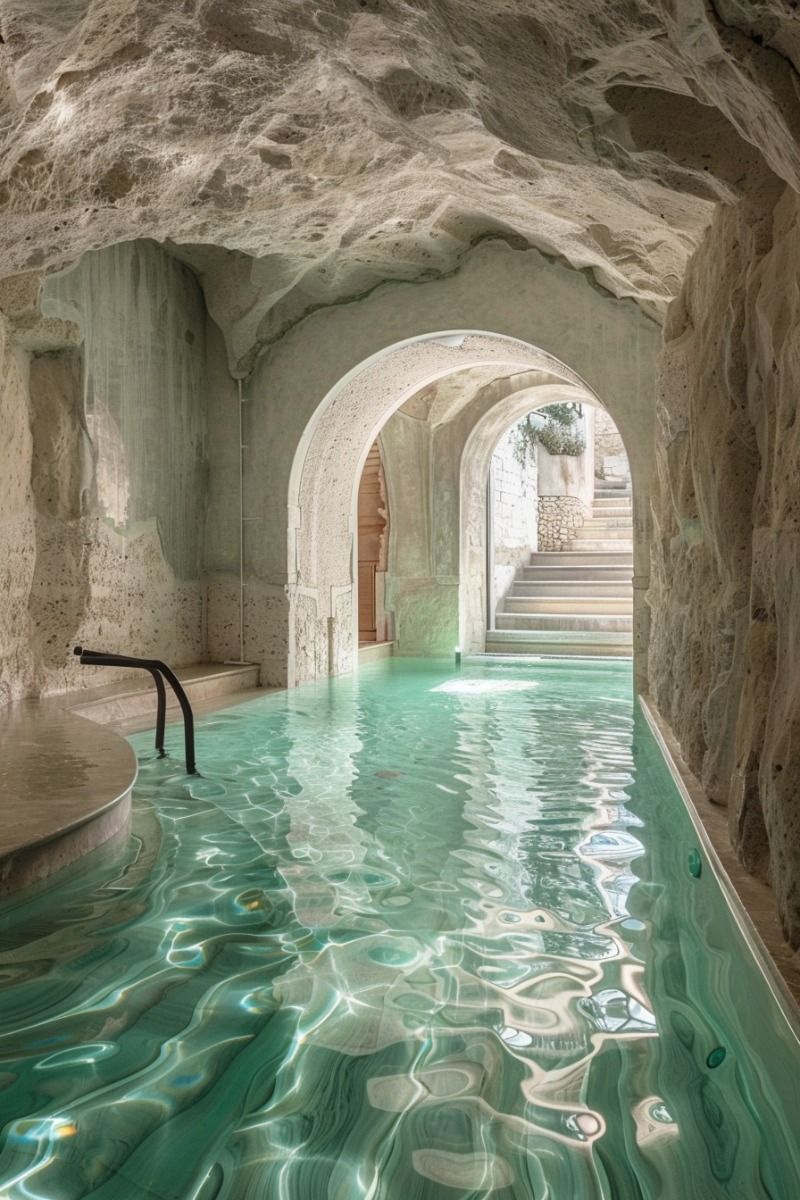
- natural stone
- water features
- panoramic windows
- wood
- natural textures
Additional importance is placed on:
- natural lighting
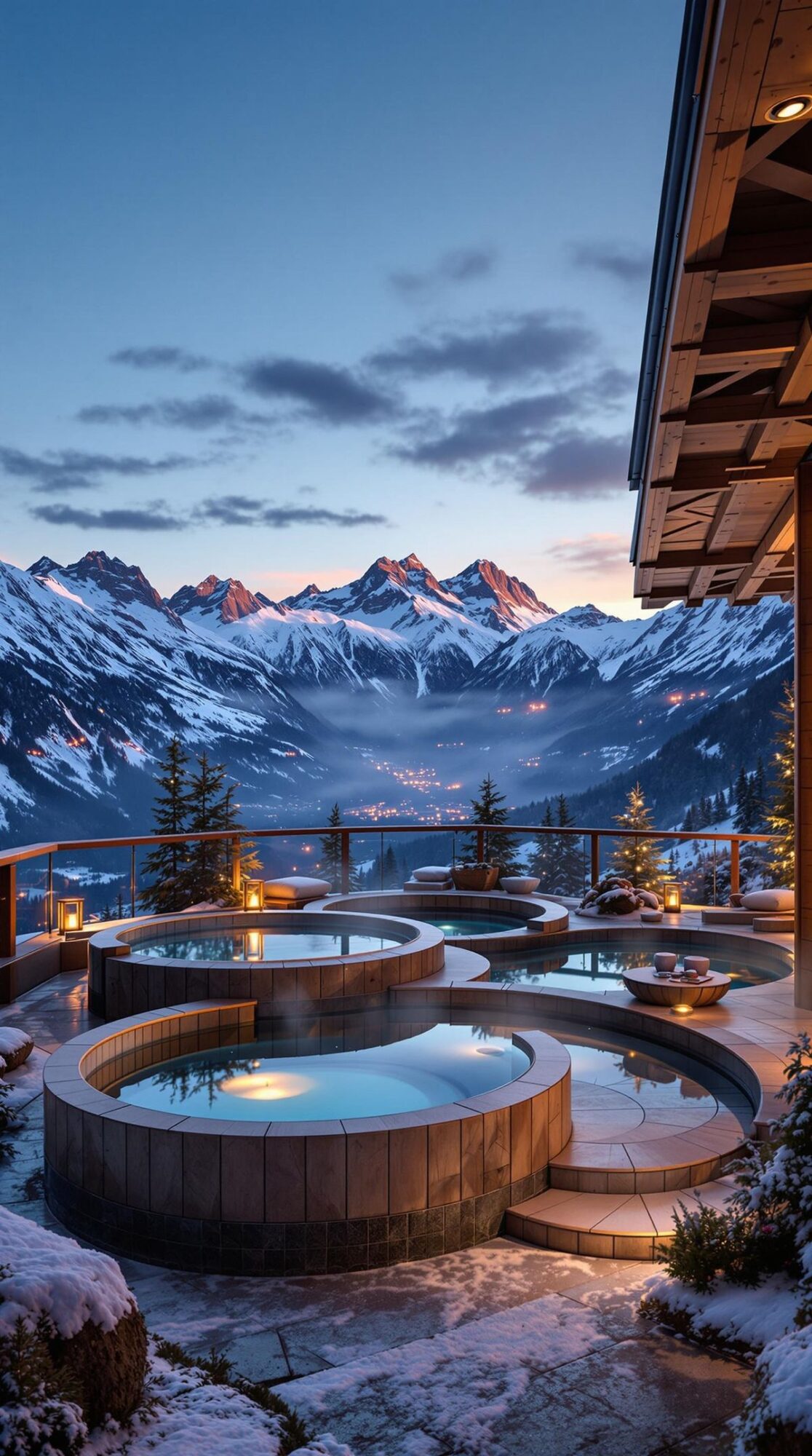
- views of nature
- soft organic forms
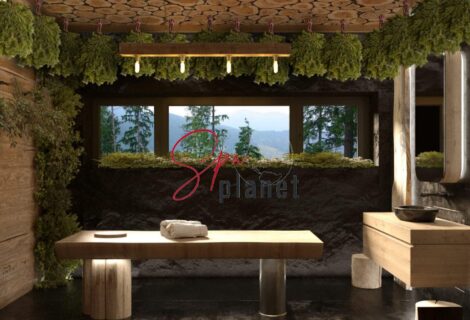
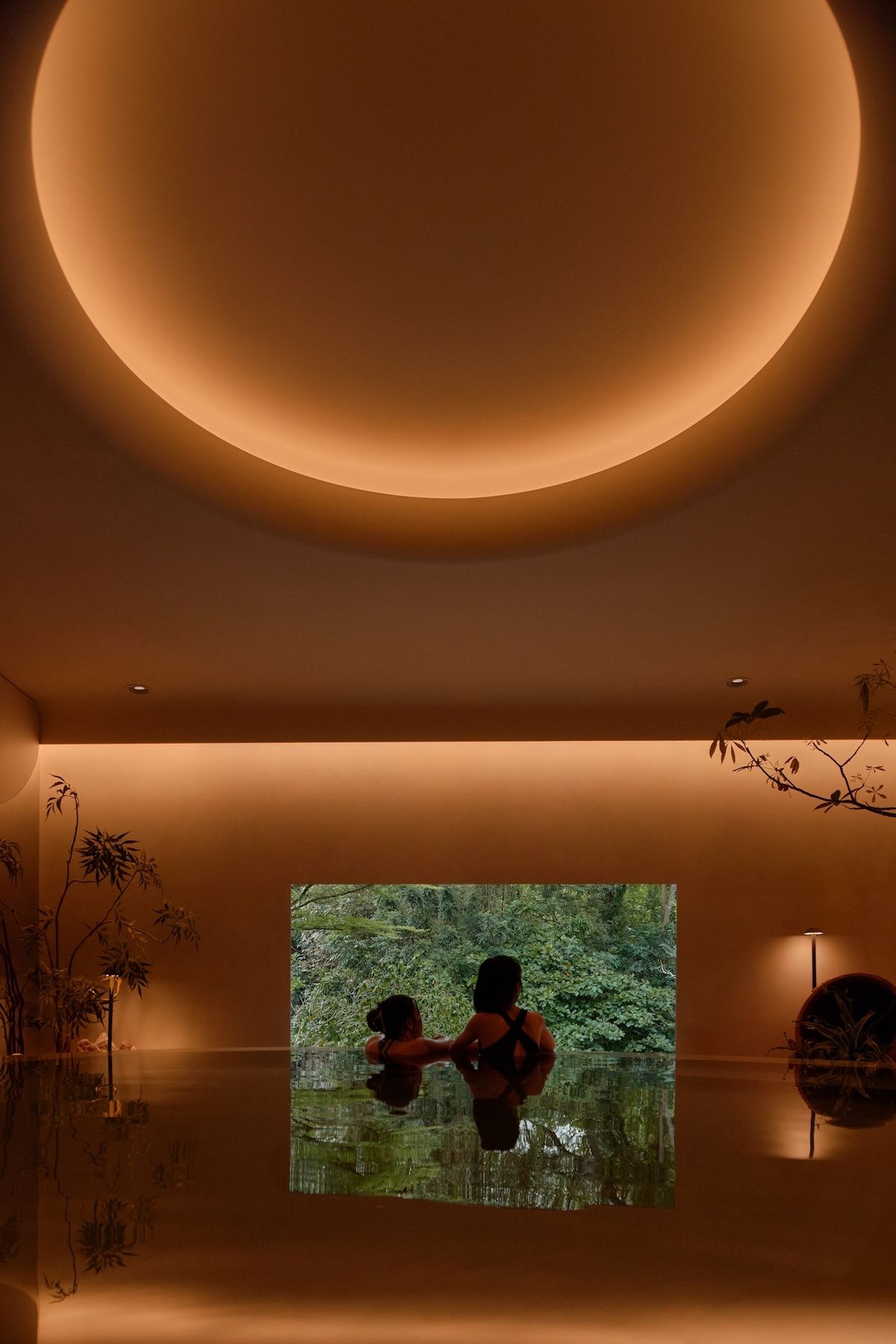
Imagine a SPA space with panoramic forest views or an indoor garden integrated into the architecture. These solutions strengthen the connection between people and the natural environment.
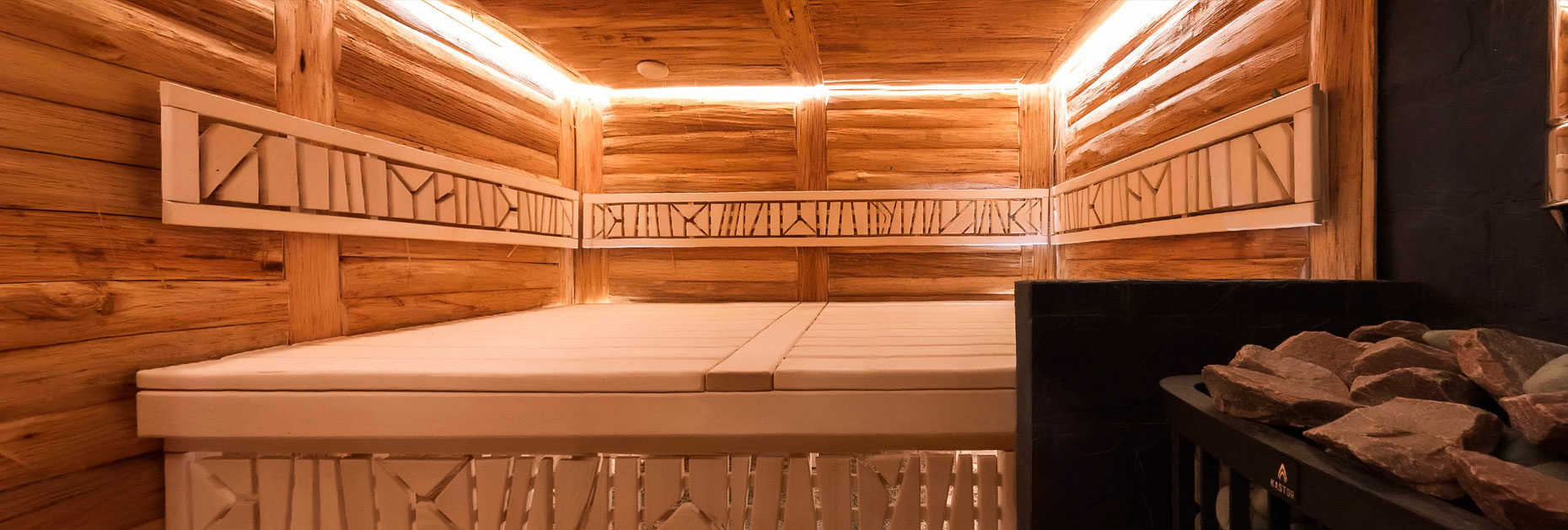
Combinations of natural wood and stone remain especially popular in modern wellness projects because they create warmth, calmness and visual balance.
Natural Materials and “Quiet Luxury”
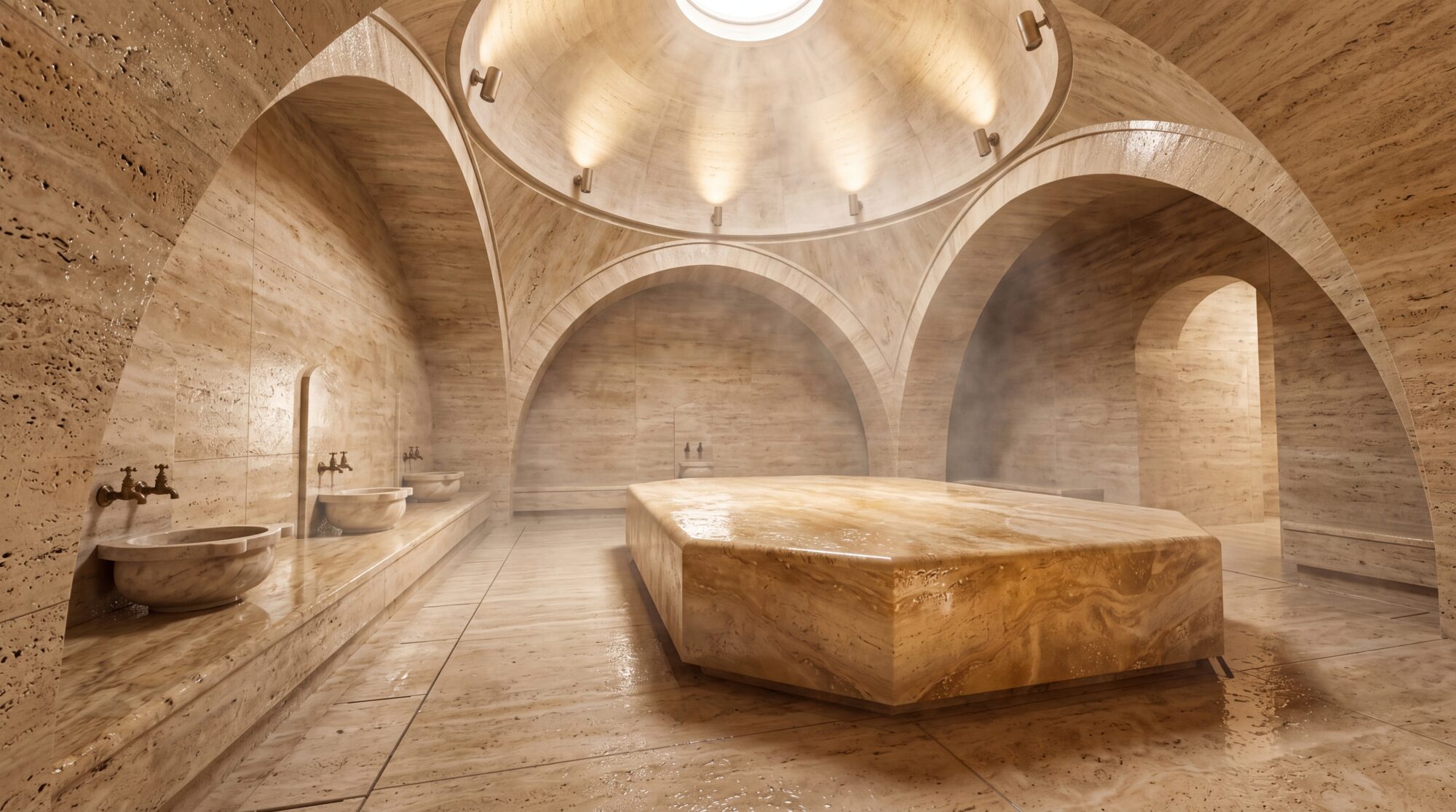
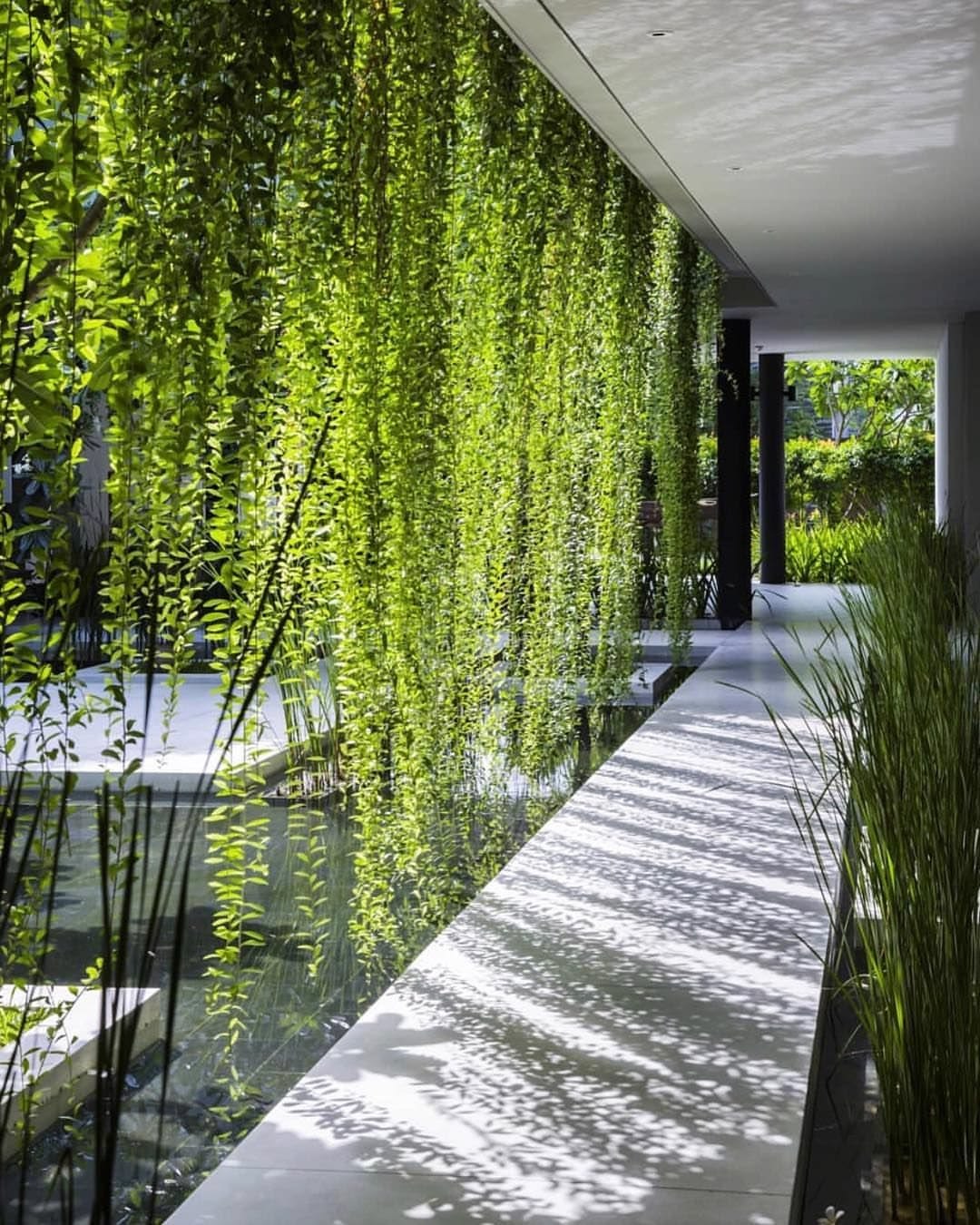
Modern SPA zone design is gradually moving away from excessive decoration and glossy finishes. Instead, designers focus on natural aesthetics, longevity and tactile comfort.
Modern SPA architecture actively uses:
- wood
- natural stone
- clay
- lime plaster
- textiles
These materials help create a calming atmosphere and visual tranquillity.
Contemporary wellness design increasingly includes:
- salt panels
- natural surface finishes
- clay textures
- terracotta elements
Modern SPA interiors are becoming more peaceful and emotionally balanced.
When implementing projects like these, it is also important to consider the professional: selection of a contractor for SPA centre construction
The quality of implementation directly influences how the space is ultimately perceived.
Light as a Tool of SPA Architecture
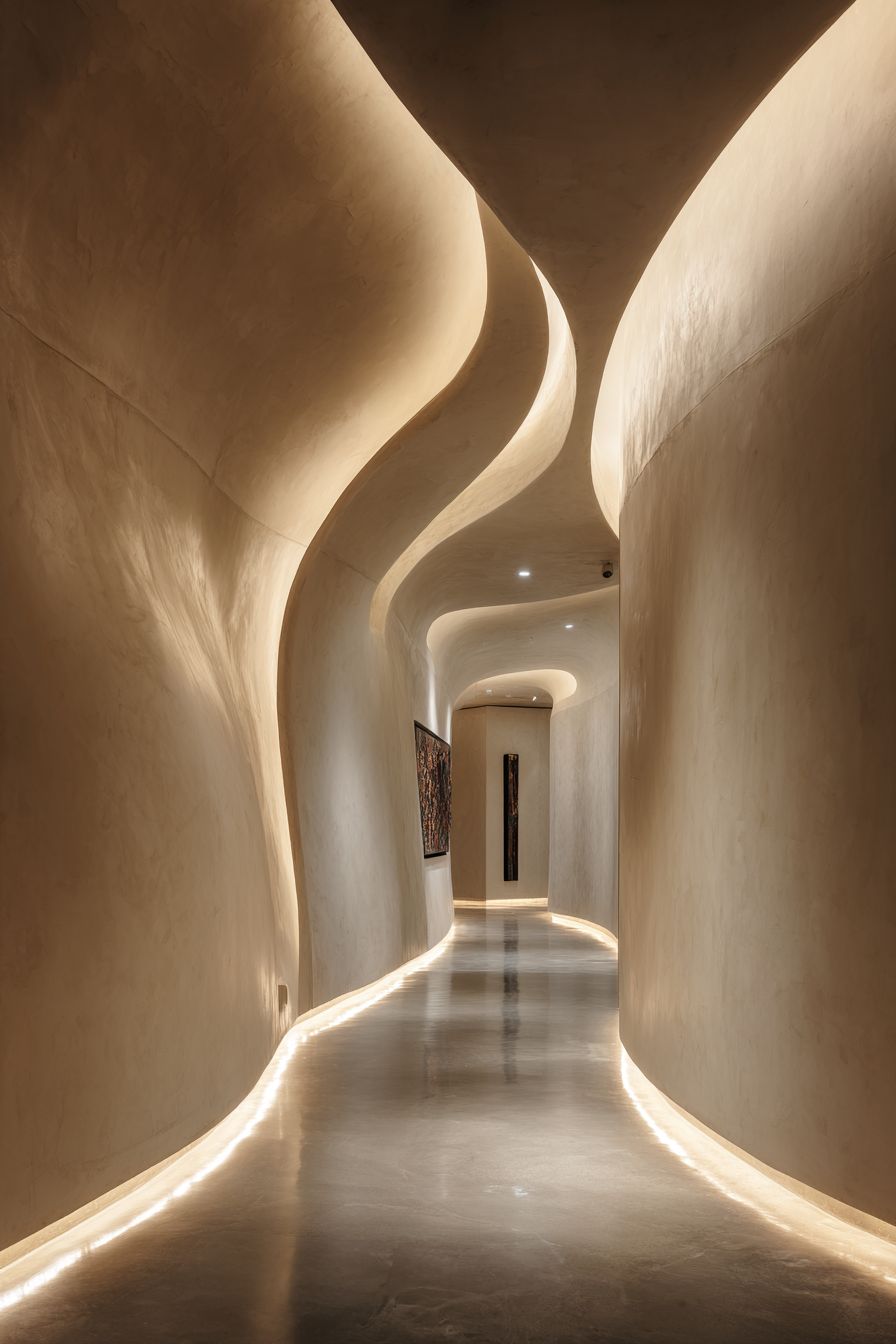
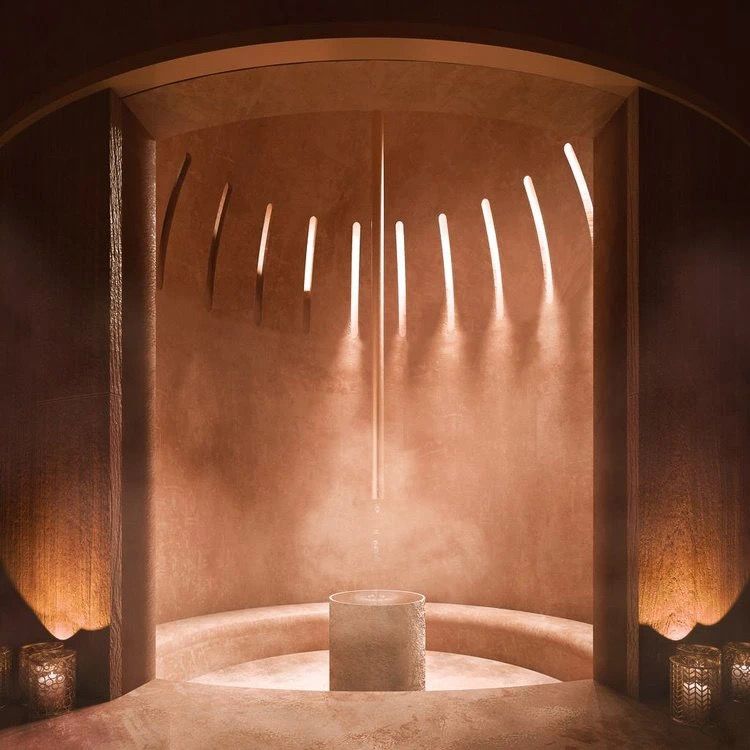
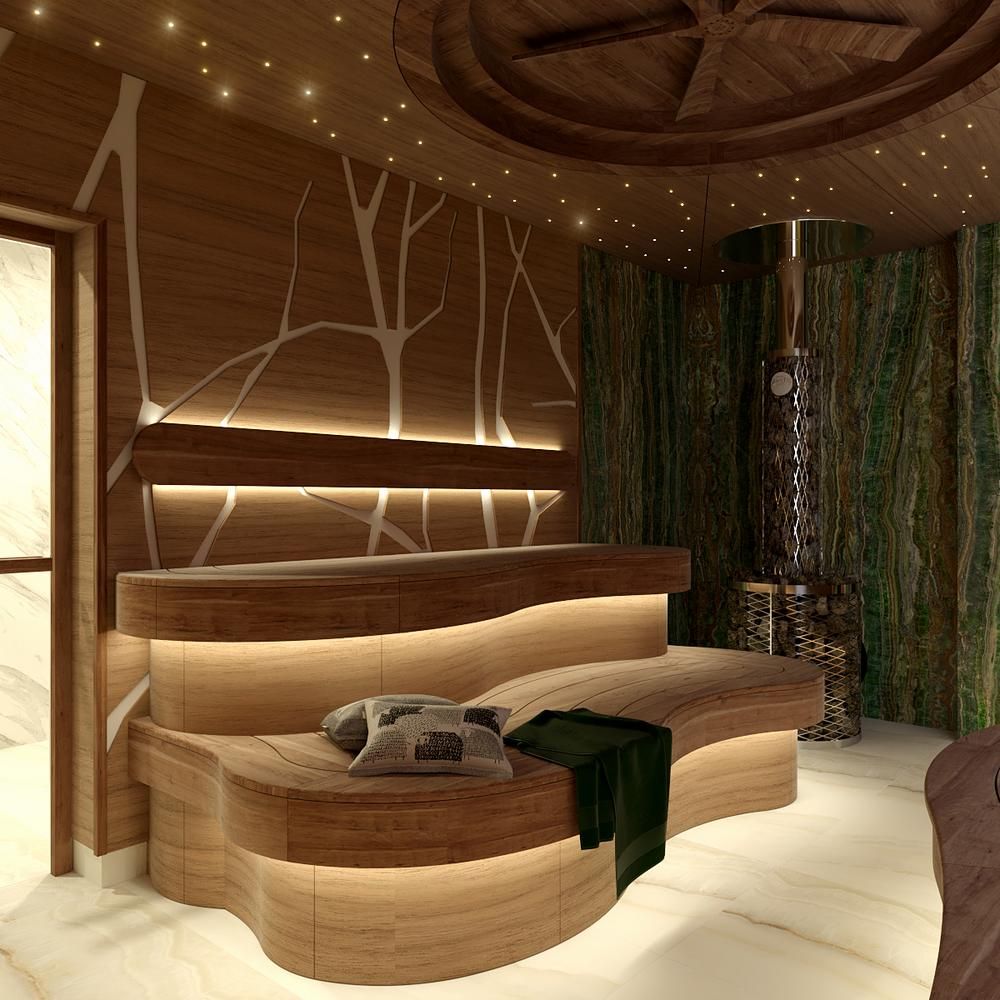
Lighting plays a key role in modern wellness design. This is why contemporary SPA interior design trends place special attention on lighting scenarios.
Today designers actively use:
- soft diffused lighting
- hidden illumination
- layered lighting
- circadian lighting
Circadian lighting helps support natural biological rhythms and creates different emotional states throughout the space.
Modern SPA interior design uses light as a full architectural instrument.
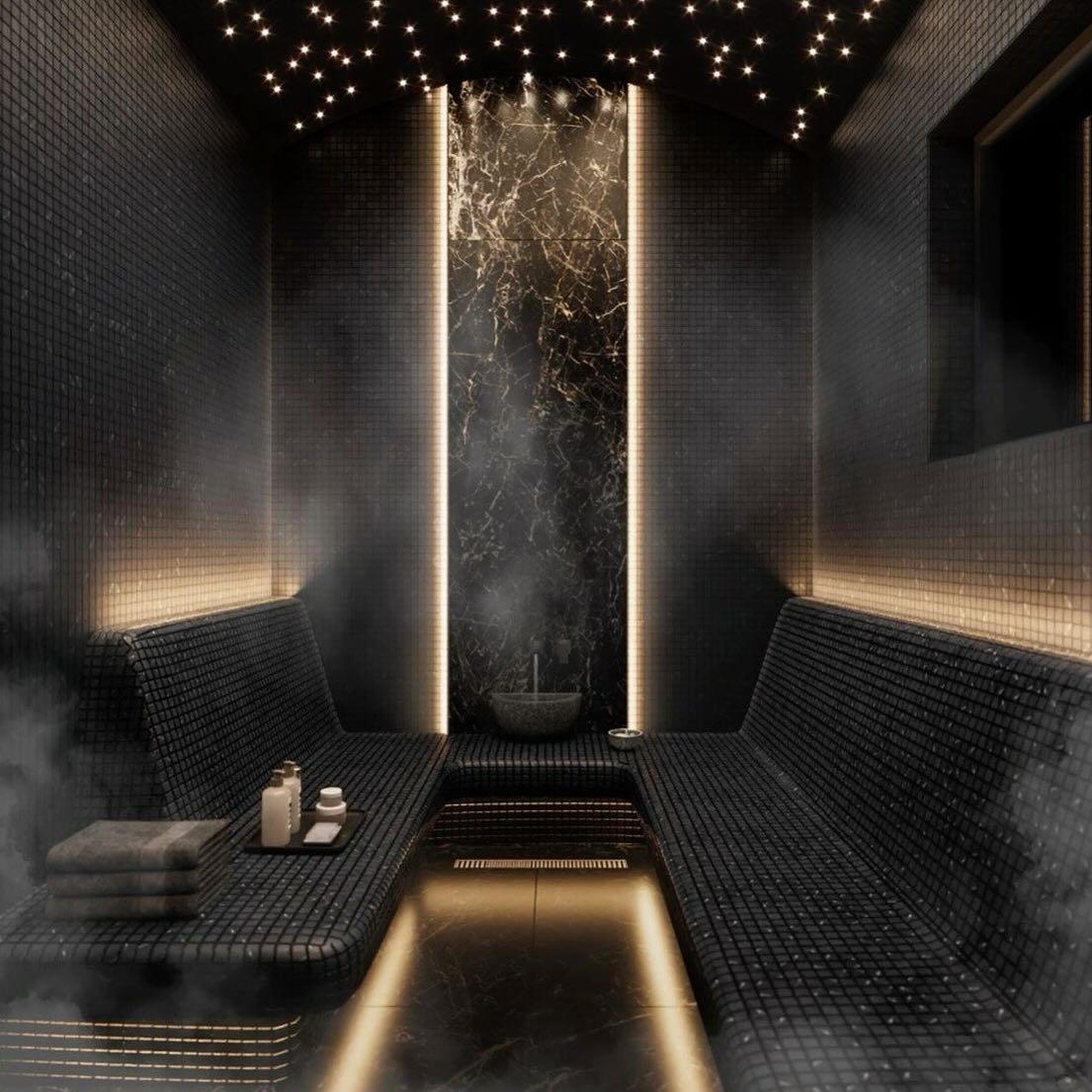
Illuminated hammam niches, soft pool lighting and hidden lighting beneath benches help create a restorative atmosphere.
Acoustics and Silence as Part of Design
Modern SPA architecture increasingly considers the acoustic perception of space.
One of the newest directions in wellness design is the architecture of silence.
Modern SPA zone design is created to:
- absorb noise
- increase privacy
- enhance relaxation
To achieve this, designers use:
- textile panels
- soft architectural forms
- water sounds
- acoustic solutions for noise reduction
As a result, the space begins to work on multiple sensory levels: visually, emotionally and acoustically.
SPA as an Architectural Experience
Modern SPA interior design trends increasingly treat space as a sequence of emotional and physical experiences.
Visitors move through several states:
- Heat
- Water
- Cooling
- Relaxation
This sequence helps strengthen the overall wellness effect.
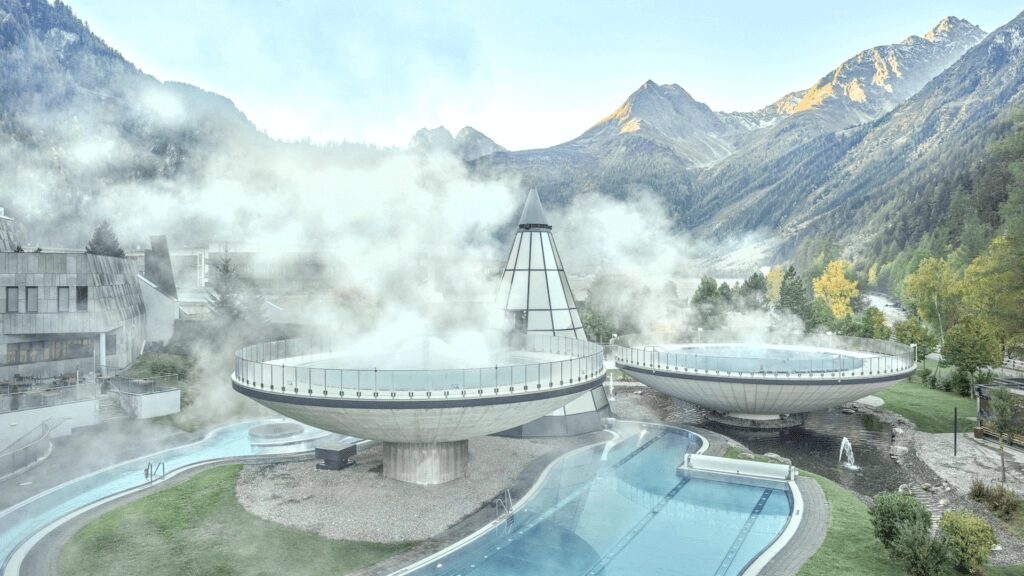
A well-known example of this approach is Aqua Dome in Austria, where the architecture is integrated into the surrounding landscape.
Modern SPA interiors are increasingly designed as an architectural journey through different sensations.
When creating a wellness project, it is important to consider not only visitor movement scenarios, but also the proper selection of a pool for a SPA centre
Personalised Wellness Spaces
Personalisation is becoming one of the strongest directions in modern wellness design.
Modern SPA zone design increasingly adapts to the lifestyle and preferences of each individual visitor.
Today these spaces may include:
- humid bath spaces with adjustable microclimate
- salt rooms
- snow rooms
- meditation spaces
- breathing practice zones
- gentle warming and recovery scenarios
Modern SPA interior design trends focus not only on visual aesthetics, but also on emotional wellbeing.
Adjustable temperature, humidity and different sensory scenarios help create a more personalised wellness experience.
Why SPA Design Influences the Success of a Project
Modern SPA spaces are much more than interiors.
They are:
- a tool for attracting guests
- part of a hotel concept
- an element of a wellness brand
High-quality SPA interior design directly influences visitor impressions and emotional experience.
During project development it is important to consider:
- architecture
- technical planning
- user scenarios
- functional logic of the space
This is why professional SPA architecture requires a comprehensive approach.
Conclusion
Modern SPA interior design trends are shaping a new standard for wellness spaces. Today it is no longer enough to create a visually attractive interior. A true SPA space is born when architecture, materials, lighting, equipment, technical planning and recovery scenarios work together as a unified system.
Today the market is filled with more and more SPA spaces created mainly around beautiful visualisations and decorative concepts. However, a wellness space is much more than a visual image.
Without understanding the logic of how a SPA complex functions, projects often lose the most important element: the guest journey, the sequence of sensations, transitions between emotional states and the atmosphere of recovery.
A real SPA environment helps cleanse not only the body, but also the emotional state of a person. The space should guide visitors through a natural recovery journey: heat, water, cooling, relaxation and rest.
Lighting shapes emotional perception. Materials influence tactile sensations. Microclimate creates the desired physical and emotional condition. Each zone should strengthen the next one.
This is why project development has become a critically important stage. Modern wellness spaces require companies that understand SPA not simply as design, but as a living system with its own recovery scenarios, microclimate, visitor flow logic and operational principles.
Only this approach allows important aspects to be considered from the very beginning of the project, leading to the creation of a truly functional and emotionally meaningful SPA space in the physical world.
This is why modern SPA projects are increasingly developed by specialised full-cycle companies that understand not only how a space should look, but also how it should function, feel and help people recover physically and emotionally.