
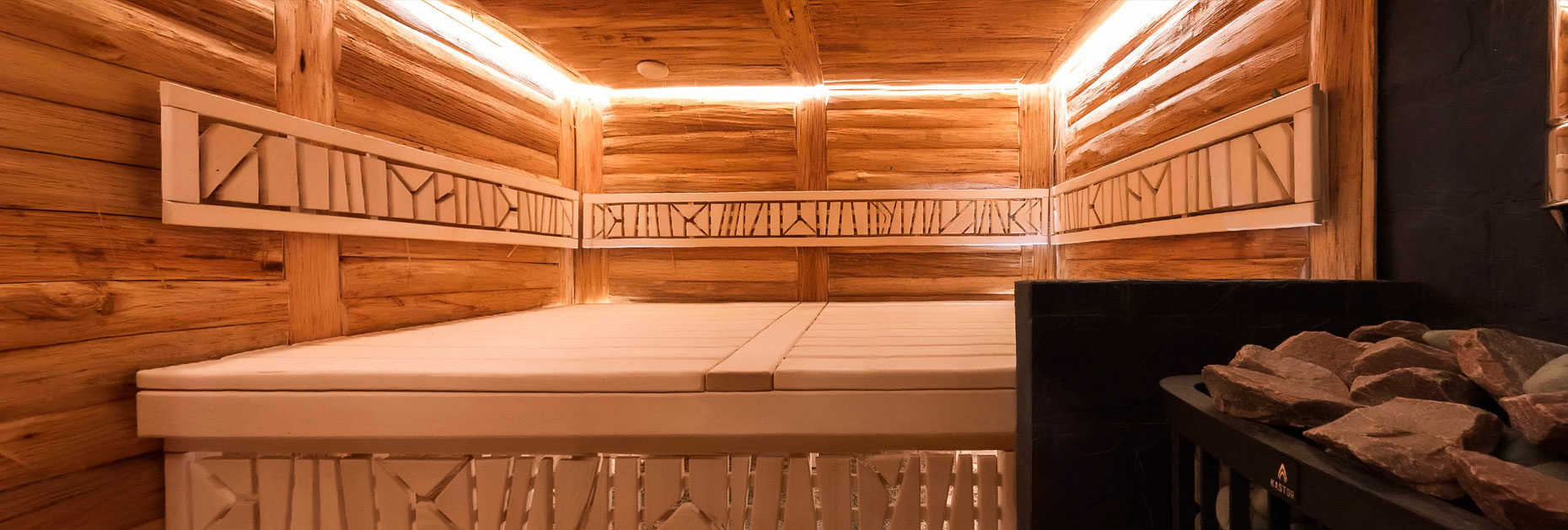
Hotel Market Trends in 2026: Why Spas and Wellness Are Becoming the Standard
The hotel market is gradually changing. Today, travelers choose hotels not only based on location and price. The opportunity to rest and recuperate is increasingly playing a role.
Guests are increasingly paying attention to the spa infrastructure in hotels, including hammams, saunas, swimming pools, and wellness areas.
While such areas were previously perceived as an additional service, today they are becoming part of the core concept. This is why the development of spa and wellness infrastructure in hotels is becoming a key selection factor.
Modern hotels that invest in spa infrastructure gain a clear competitive advantage and better meet guest expectations.
The growth of wellness tourism and the impact of spa infrastructure in hotels
One of the main drivers of change has been the growth of wellness tourism.
Wellness tourism is a form of travel that combines relaxation with health restoration, relaxation, and improved well-being.
According to research from the Global Wellness Institute:
The wellness tourism market is expected to reach approximately $894 billion in 2024.
According to data Global Wellness Economy Monitor:
expected to grow to more than $1 trillion in the coming years.
This confirms the segment’s sustainable growth dynamics and increases demand for SPA infrastructure in hotels.
Main reasons for popularity:
- growing interest in a healthy lifestyle
- high stress levels
- the desire to combine rest and recovery
For hotels, this means one thing: the development of SPA and wellness infrastructure is becoming a mandatory element of strategy.
Changing tourist behavior and demand for spa infrastructure in hotels
Guests‘ expectations have changed significantly.
Today, travelers are looking for more than just accommodations, but a complete experience. Spa facilities at hotels are becoming a key factor in their choice.
Guests choose hotels where they can:
- relax
- restore strength
- spend time in a calm atmosphere
This is why the following are in demand:
- hammams
- saunas
- SPA centers
- massage rooms
- relaxation zones
According to analytics Global Wellness Institute such guests:
- ready to spend more
- choose a higher level of placement
- actively use the infrastructure
Thus, the SPA infrastructure in hotels directly impacts profitability and positioning.
How hotel spa infrastructure helps reduce seasonality
Many resort hotels face the problem of seasonality.
This is especially noticeable in coastal regions, where the main influx of guests occurs during the high season.
The development of SPA infrastructure in hotels allows us to solve this problem.
Thanks to this, hotels can:
- attract guests all year round
- launch wellness programs
- to form new formats of recreation
To implement such solutions the following are used:
The development of such zones helps hotels stabilize occupancy and reduce their dependence on the season.
Why designing SPA infrastructure in hotels requires a professional approach
Creating a SPA space is a complex engineering process.
SPA infrastructure in hotels requires precise design and consideration of many factors.
Key aspects:
- ventilation systems
- humidity control
- temperature conditions
- waterproofing
- correct zoning
- equipment integration
Errors at the design stage lead to costly operational problems.
Therefore, the design of SPA infrastructure in hotels should be carried out by a professional team with experience in implementing similar projects.
How we implement SPA infrastructure projects in hotels
We specialize in the design and construction of turnkey hotel SPA infrastructure.
Our projects include:
- construction of hammams
- Finnish saunas
- SPA zones
- swimming pools
- fonts
- massage rooms
- relaxation zones
We take into account:
- hotel market trends
- architecture of the object
- use cases
- long-term relevance of decisions
Additionally, we implement:
This approach allows us to create a SPA infrastructure that remains in demand and effective in the long term.
Conclusion
The hotel market continues to transform in 2026.
The growth of wellness tourism and changing guest behavior are creating a new standard. Spa infrastructure in hotels is becoming not an additional service, but the core of the concept.
Hotels that invest in the development of spa and wellness infrastructure gain a sustainable competitive advantage.
Properly designed spa infrastructure in hotels allows you to attract guests year-round, increase profitability, and establish a strong positioning.
If you’re planning a hotel project, now is the time to establish high-quality spa infrastructure as a strategic element for future success.